
Resources
DOMINO will create several resources about the project and its outcomes.
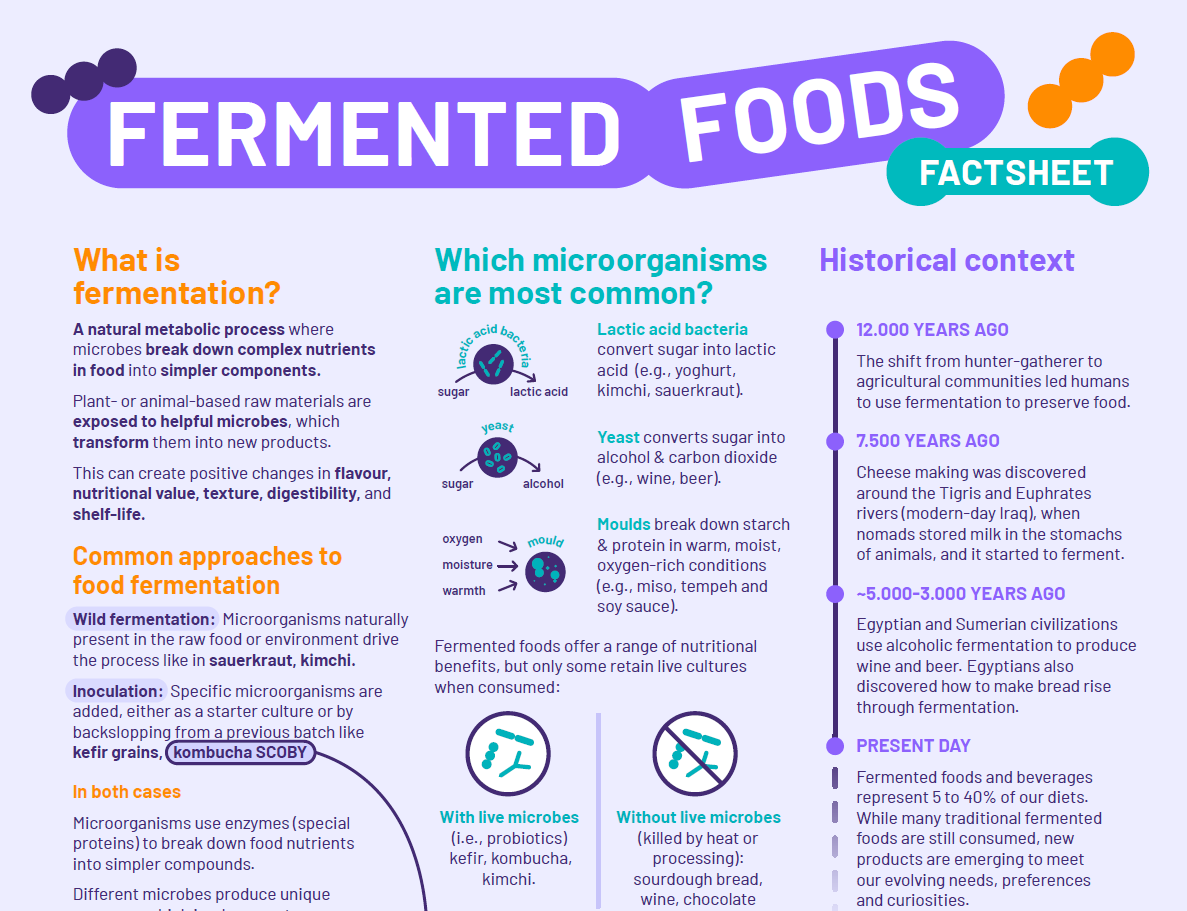
Fermented Foods Infographic (V2)
Discover the newest version of the DOMINO Fermented Foods Infographic!
Read more
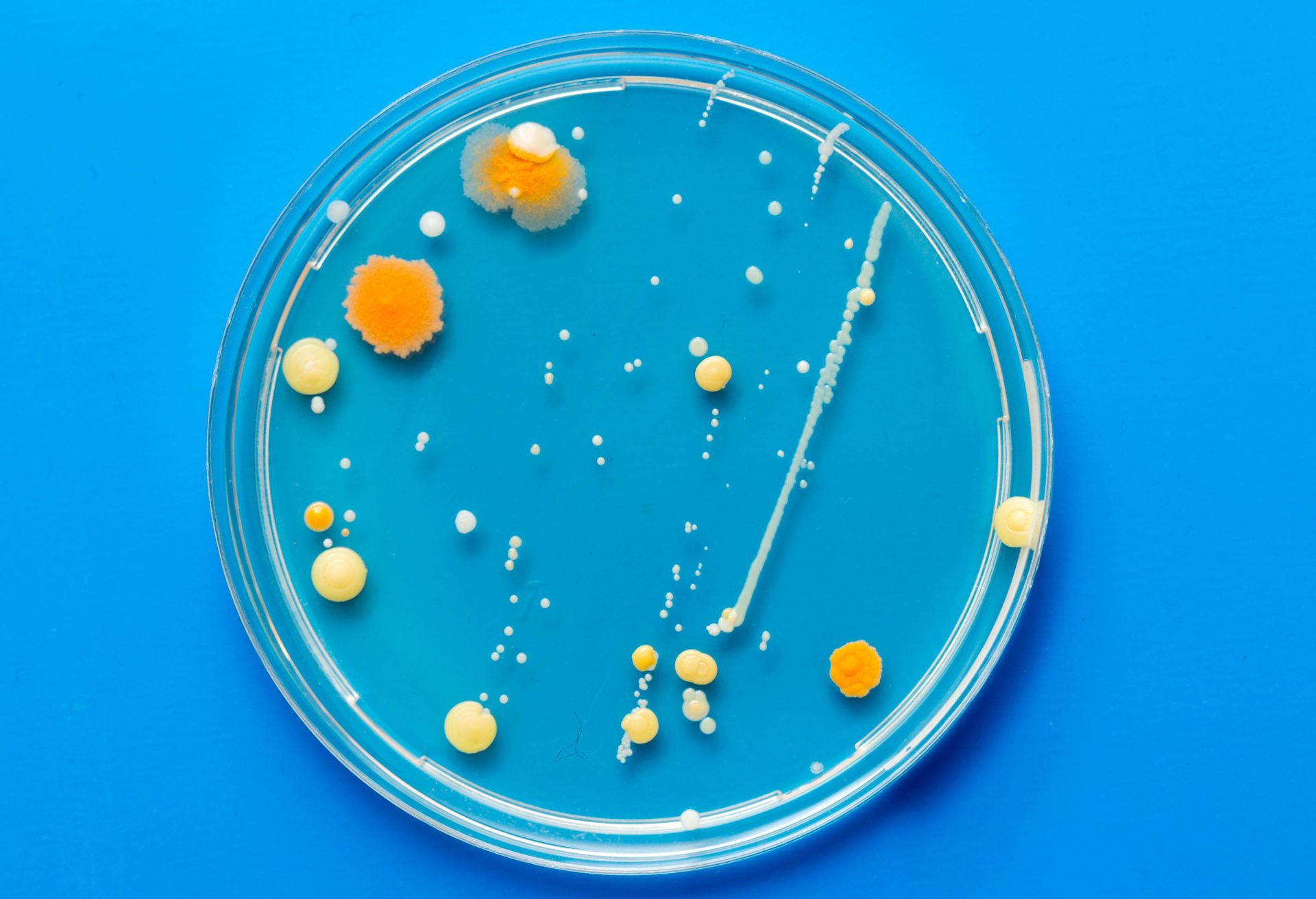
From “synthetic” to defined microbial communities for clearer terminology
Koch, H., Clavel, T., Mayr, C. et al. From “synthetic” to defined microbial communities for clearer terminology. Nat Commun 17, 5283 (2026). https://doi.org/10.1038/s41467-026-74251-1
Read more

Domino quiz on fermented foods
Read more
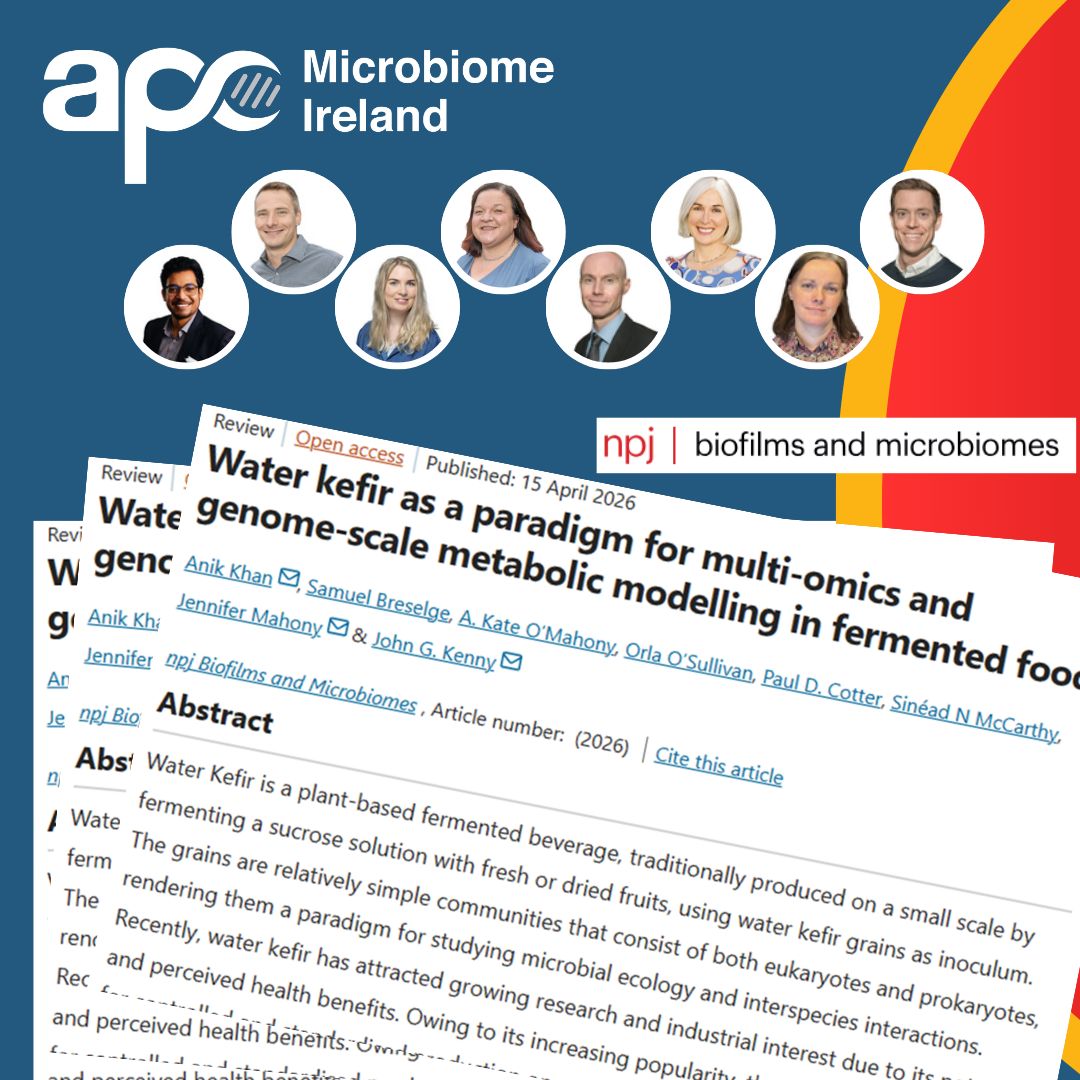
Water kefir as a paradigm for multi-omics and genome-scale metabolic modelling in fermented food
Khan, A., Breselge, S., O’Mahony, A.K. et al. Water kefir as a paradigm for multi-omics and genome-scale metabolic modelling in fermented food. npj Biofilms Microbiomes (2026). https://doi.org/10.1038/s41522-026-00985-x
Read more
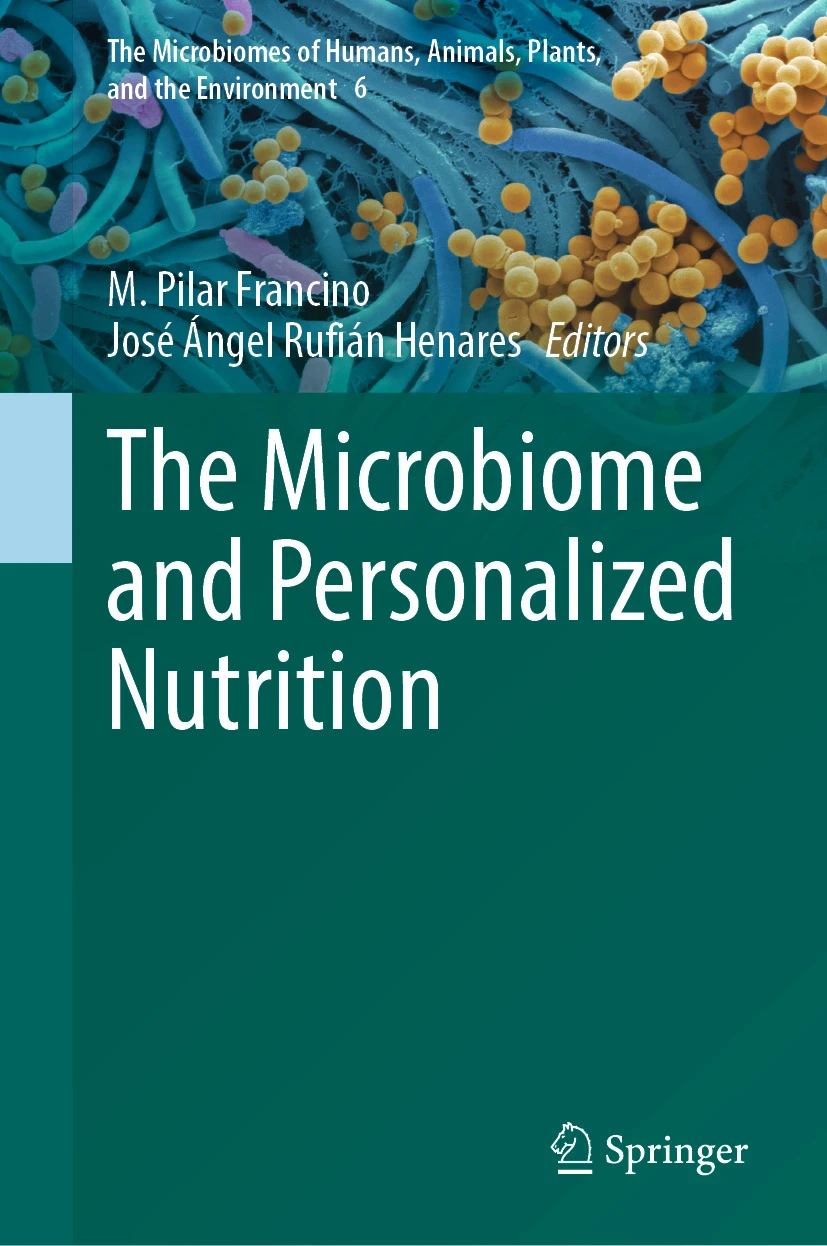
The Microbiome and Personalised Nutrition, “The Role of Food Information Initiatives in Bringing Microbiome Awareness into the Diet”
The DOMINO project has been featured in the newly published book “The Microbiome and Personalised Nutrition”. The chapter, “The Role of Food Information Initiatives in Bringing Microbiome Awareness into the Diet”, authored by colleagues from EUFIC, highlights how European initiatives are helping consumers better understand the link between food, microbes, and health. Within this chapter, DOMINO’s work is showcased in a dedicated sub‑section titled “DOMINO: Co‑creating Fermented Food Products Through Living Labs”, which presents our approach to driving innovation in fermented foods.
Read more
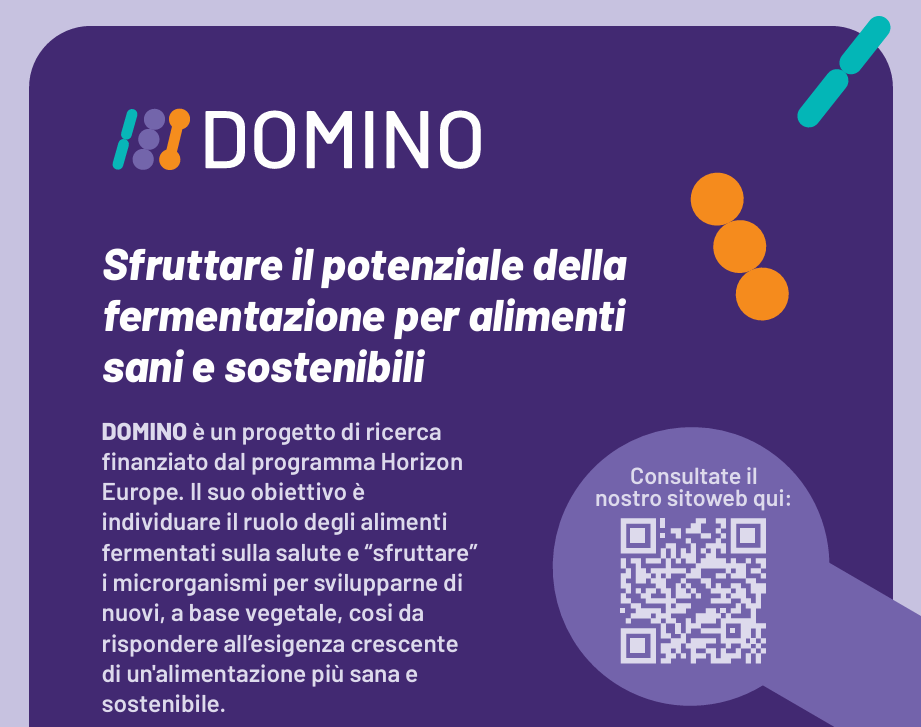
Domino poster (Italian)
Read more
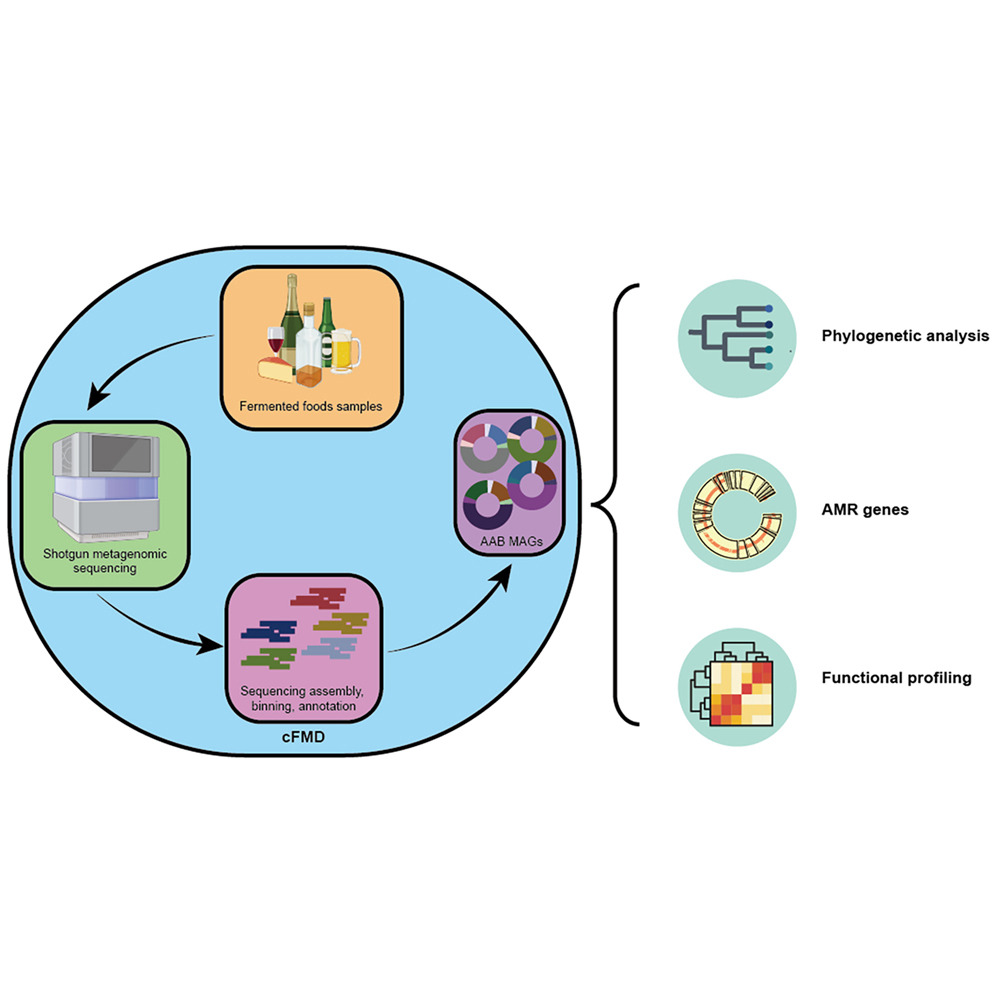
A genomics-based investigation of acetic acid bacteria across a global fermented food metagenomics dataset
Zhang E, Breselge S, Carlino N, Segata N, Claesson MJ, Cotter PD. A genomics-based investigation of acetic acid bacteria across a global fermented food metagenomics dataset. iScience. 2025;28:112139. doi:10.1016/j.isci.2025.112139
Read more
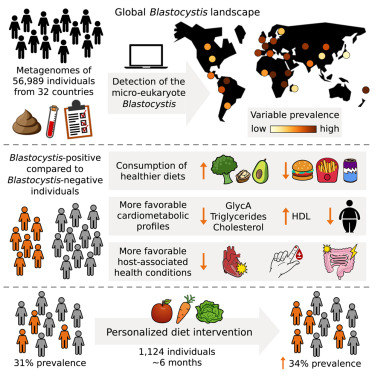
Intestinal Blastocystis is linked to healthier diets and more favorable cardiometabolic outcomes in 56,989 individuals from 32 countries
Piperni, Elisa et al. Cell, Volume 187, Issue 17, 4554 – 4570.e18
Read more
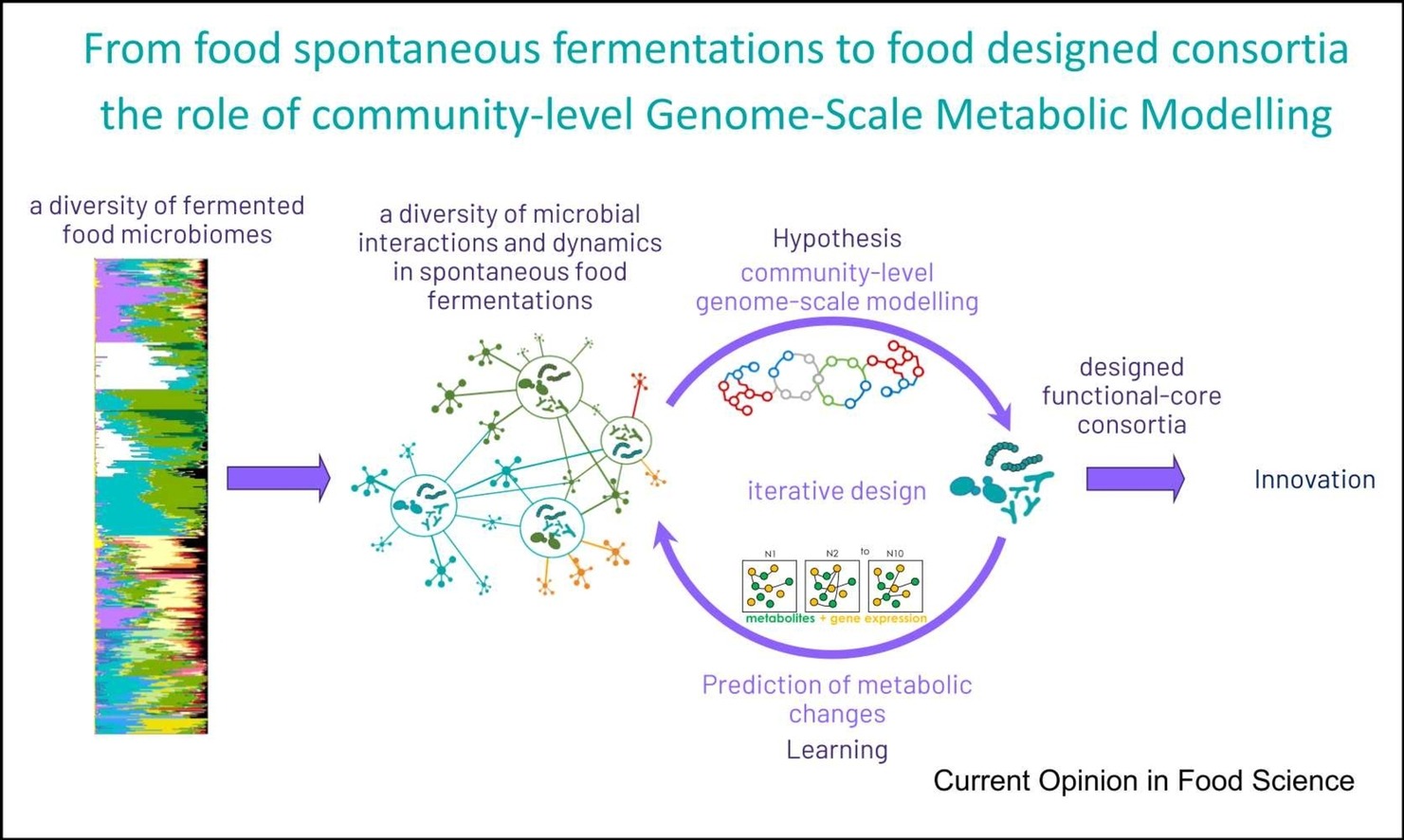
Microbiome Metabolic Modeling as a tool for innovation in fermented foods
The review provides an overview of current research utilizing genome-scale metabolic modeling (GSMM) in fermented food science. An integrated and unified strategy for designing food microbiomes using both bottom-up and top-down GSMM strategies is proposed. Challenges, bottlenecks and perspective of GSMM in fermented food science is discussed.
Read more
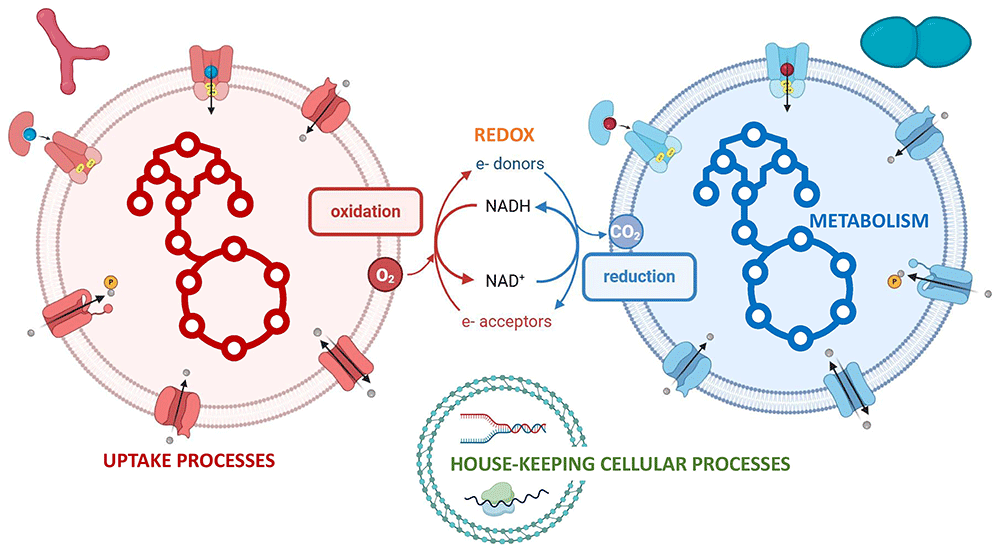
Food Microbiome Metabolic Modules (F3M), a tool suite for functional profiling of food microbiomes
The study of microbial metabolic interactions within food microbiomes represents a key scientific approach for improving the quality and health benefits of food. In such studies, methods based on gene expression levels (metatranscriptomic) analysis are promising. However specific tools are required to overcome the challenges posed by food microbiomes, in particular the high variability of microbiomes between samples and the difficulty of automatically inferring the annotation of metabolic functions across taxa. To address this gap, we present the Food Microbiome Metabolic Modules (F3M) tool suite. The F3M suite provides a robust framework for uncovering functional dynamics within food microbiomes. The F3M tool suite is available as open-source.
Read more
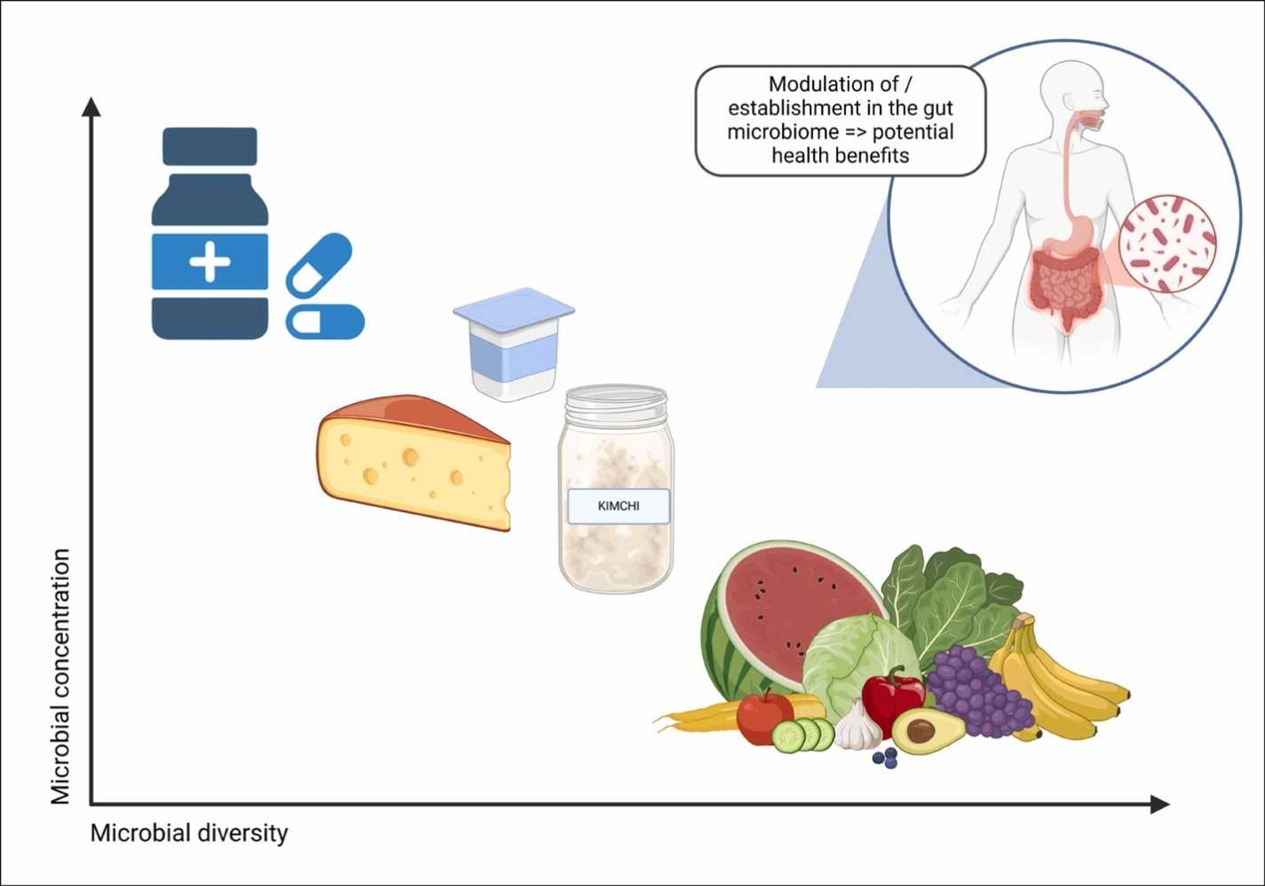
Edible microbiome and dietary microbiota: bridging two interrelated concepts
The ‘edible microbiome’ concept, introduced in 2015, hypothesised that plant-associated microbiota may, after consumption, significantly impact human health. In parallel, several studies have focused on the potential benefits of ‘live dietary microbe intake’, with a particular focus on foods and supplements that contain high levels of live microorganisms, i.e., fermented foods and probiotic products. Over the past decade, scientific research, including retrospective analysis of dietary surveys and microbiome sequence data, has uncovered new evidence about the roles that food-associated microorganisms play in impacting health after ingestion. In this review, we evaluate the scientific advances that have emerged since the ‘edible microbiome’ concept was proposed, offering insights into how new findings support and expand upon its original premise. We will also propose an evolution of the concept to broaden its scope, incorporating ‘live dietary microbe intake’ more generally, and key research and development opportunities to propel this field forward.
Read more

Fermented foods cards
This page will group all the fermented foods cards prepared by Domino.
Read more

Report on Outcomes Living Lab Sessions; Phase 1
Report on outcomes Living Lab sessions up till end of phase 1.
Read more

First Update of the Communication, Dissemination and Exploitation plan
The report will provide a summary of activities implemented and outline the plans for the rest of the project at EU level and in each Living Lab country in cooperation with the Living Lab coordinators.
Read more

Communication, Dissemination, Exploitation Plan (including project website)
Strategic activities will be planned to maximise the impact of the project. This first CDE plan will include the project website development. It will be updated throughout the project.
Read more

First DOMINO Data Management Plan
DOMINO Data Management Plan
Read more
Report on current market developments and innovation potential of FF products – secondary market research
Results of a survey that focuses on changes in the production system that are necessary to facilitate FF innovations. Secondary market analysis.
Read more

EIP-AGRI Practice Abstracts – Batch 1
This deliverable contains 1 initial practice abstract for the EIP-AGRI portal.
Read more

DOMINO Living Lab Manual
Manual with scripts and reporting templates for living lab sessions and results of rapid literature reviews.
Read more
Report on Consumer Perceptions of Fermented Foods
Results of a multi-country consumer survey on the perception and acceptance of FF. Results of sensory experiments measuring product acceptance, hedonic liking, and willingness to pay in blind and full information rounds using selected case studies.
Read more
Design and Final Version of the FMD
Comprehensive food microbiome database generated at species-level and strain-level with public datasets and with data generated by the Consortium.
Read more
First data on food metagenomic and genomic diversity of new microbial strains
Several hundreds of food metagenomic and genomic data of microbial strains, related to the six food case studies of the project, are delivered to our database for consortia design.
Read more

Unexplored microbial diversity from 2,500 food metagenomes and links with the human microbiome
Carlino N, Blanco-Míguez A, Punčochář M, Mengoni C, Pinto F, Tatti A, Manghi P, Armanini F, Avagliano M, Barcenilla C, Breselge S, Cabrera-Rubio R, Calvete-Torre I, Coakley M, Cobo-Díaz JF, De Filippis F, Dey H, Leech J, Klaassens ES, Knobloch S, O’Neil D, Quijada NM, Sabater C, Skírnisdóttir S, Valentino V, Walsh L; MASTER EU Consortium; Alvarez-Ordóñez A, Asnicar F, Fackelmann G, Heidrich V, Margolles A, Marteinsson VT, Rota Stabelli O, Wagner M, Ercolini D, Cotter PD, Segata N, Pasolli E. Unexplored microbial diversity from 2,500 food metagenomes and links with the human microbiome. Cell. 2024 Aug 16:S0092-8674(24)00833-X. doi: 10.1016/j.cell.2024.07.039. Epub ahead of print. PMID: 39214080.
Read more

Which factors drive consumers’ evaluation of fermented foods and drinks? A protocol for a Systematic Map
Geiss and Roosen (2024). Which factors drive consumers’ evaluation of fermented foods and drinks? A protocol for a Systematic Map. https://doi.org/10.17605/OSF.IO/VNKST.
The Systematic Map is supposed to provide insights into consumers’ perspectives on fermented foods. The literature review aims to identify factors that drive the demand, this is, consumers’ evaluation of fermented foods.
Read more

Fermented foods – Infographic (English)
Read more

Fermented foods – Infographic (italiano)
Read more

Fermented foods – Infographic (Français)
Read more

Fermented foods – Infographic (eesti keel)
Read more
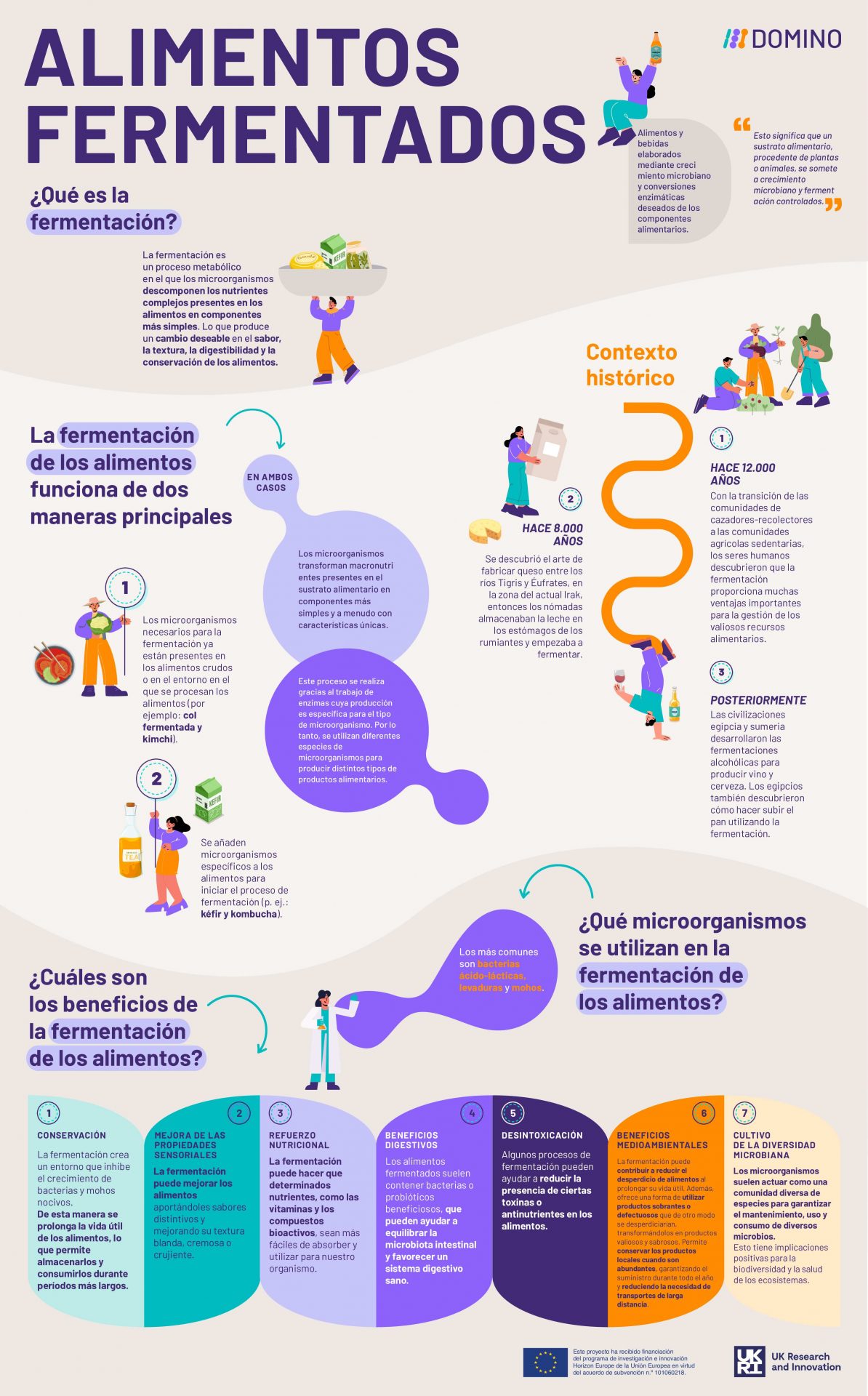
Fermented foods – Infographic (Español)
Read more

Fermented foods – Infographic (Deutsch)
Read more

Microbiome Ambassador Campaign
The #MicrobiomeAmbassador campaign highlights researchers from EU-Funded projects that advocate for the microbiome. Through this campaign, we see the faces behind the research, and get a glimpse into why the microbiome is important for them. Meet our Microbiome Ambassadors from the DOMINO project!
Read more

Monitoring the yeasts ecology and volatiles profile throughout the spontaneous fermentation of Taggiasca cv. table olives through culture-dependent and independent methods
Traina, C., Ferrocino, I., Bonciolini, A., Cardenia, V., Lin, X., Rantsiou, K., & Cocolin, L. (2024). Monitoring the yeasts ecology and volatiles profile throughout the spontaneous fermentation of Taggiasca cv. table olives through culture-dependent and independent methods. International Journal of Food Microbiology, 417, 110688. https://doi.org/10.1016/j.ijfoodmicro.2024.110688
Read more
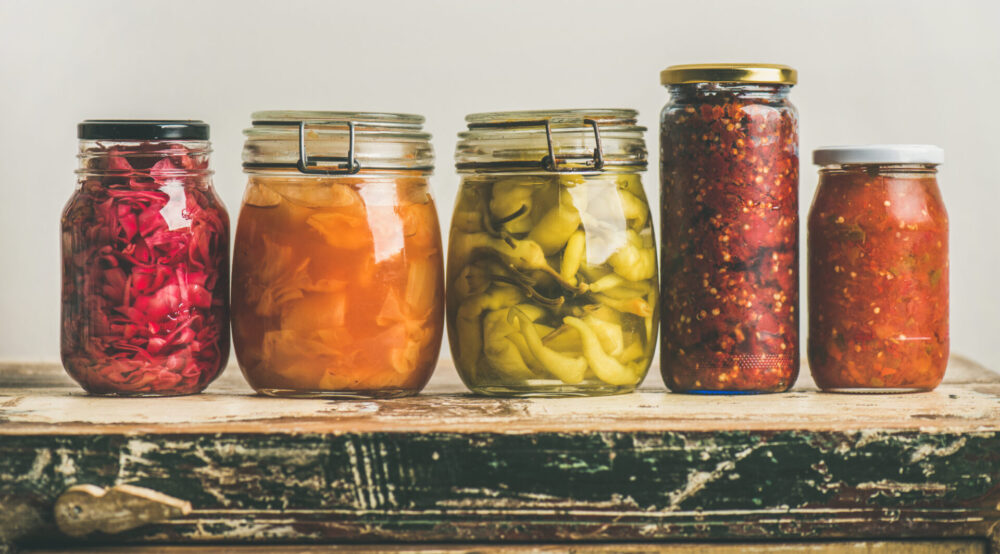
Fermented foods, their microbiome and its potential in boosting human health
Valentino, V., Magliulo, R., Farsi, D., Cotter, P. D., O’Sullivan, O., Ercolini, D., & De Filippis, F. (2024). Fermented foods, their microbiome and its potential in boosting human health. Microbial Biotechnology, 17(2), e14428. https://doi.org/10.1111/1751-7915.14428
Read more
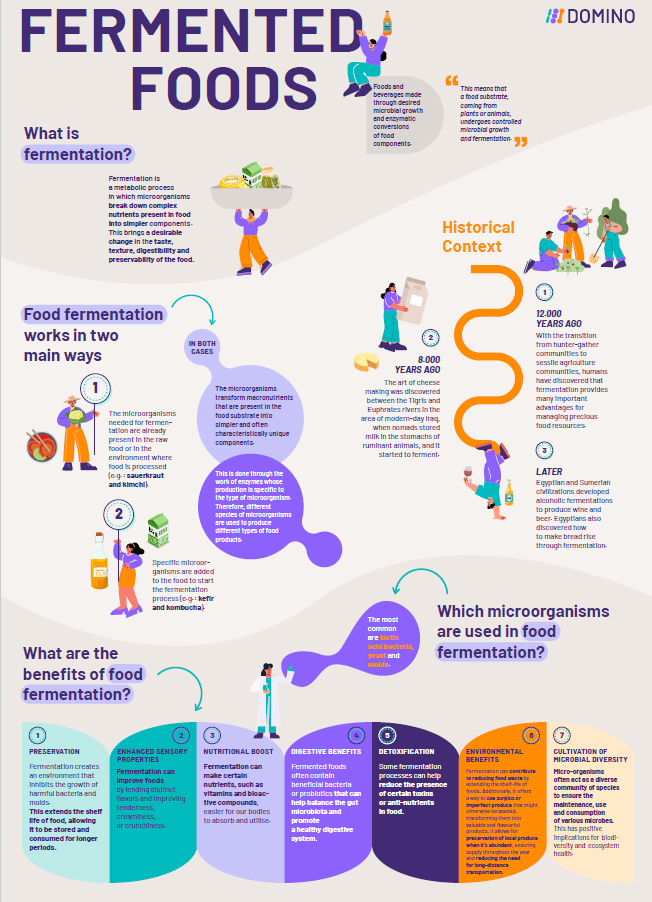
Fermented foods – Infographic (English)
Read more
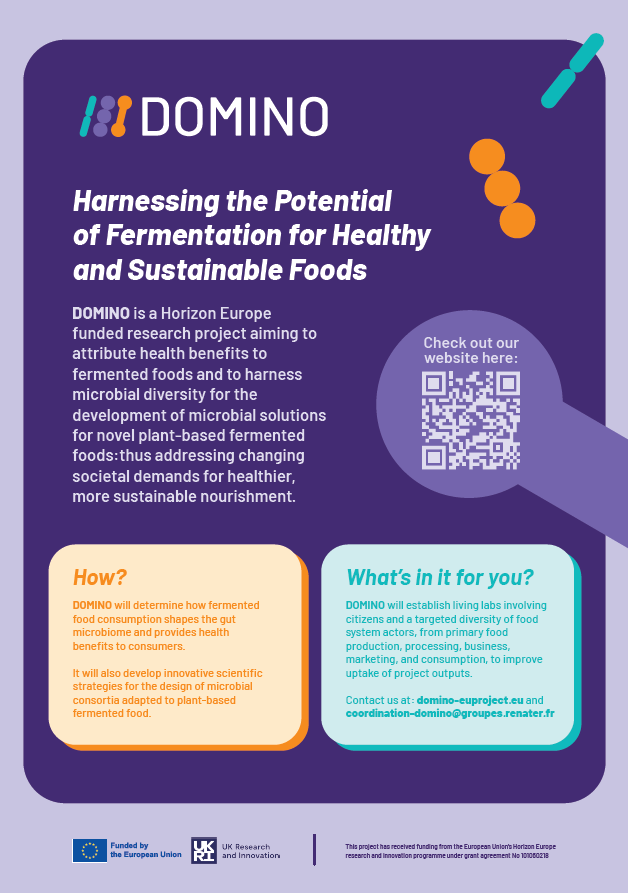
Domino – Poster
Read more

Domino – Leaflet
Check out the latest DOMINO leaflet to know more about the project!
Read more
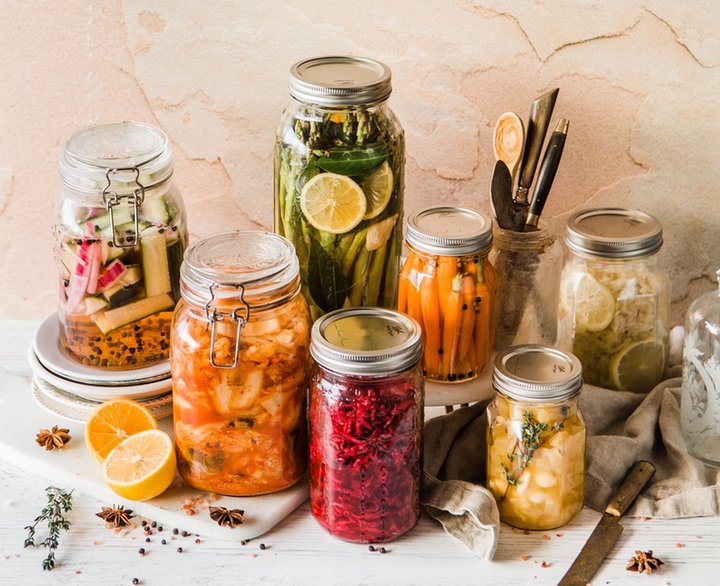
The power of fermented foods: Levers for healthier and sustainable nutrition
Sproten, R. (2023). The power of fermented foods: Levers for healthier and sustainable nutrition. AgroFOOD Industry Hi Tech, 34(2). Teknoscienze. https://digital.teknoscienze.com/agrofood_industry_hi_tech_34_2_2023/functional_food_-_the_power_of_fermented_foods_levers_for_healthier_and_sustain
Read more