Fermented Food Dominoes – Card Game
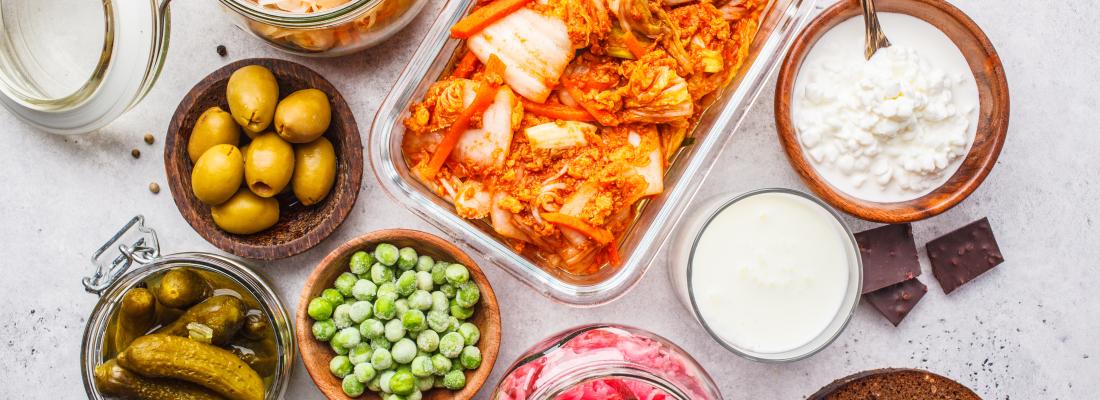
Play the Fermented Foods DOMINOES game to learn more about some of the most popular fermented foods prepared in the world!
Download the printable cards by clicking here!


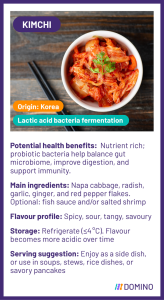
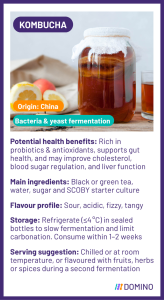
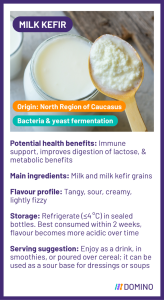
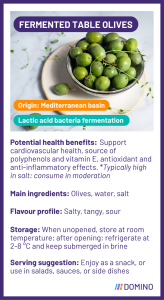
Based on the original game of dominoes, we bring you the Fermented Food Dominoes cards! We developed this game as a fun, interactive way to learn about different fermented foods & drinks, while discovering the unique microorganisms responsible for fermentation.
Educational objective: The game introduces players to microorganisms involved in fermented food production.
Duration: approximately 15-20 minutes.
Age: 12+
Instructions
Here’s a simple guide to get you started with the basic rules and gameplay of Fermented Food Dominoes.
Objective: The back of each domino card contains two microorganisms that players must match during the game.
Game setup
- Players: Dominoes can be played with 2 to 4 players. For larger groups, consider using a double-12 set instead of a double-6 set.
- Create the draw pile: Shuffle all the cards and place them face-down in a pile.
- Distribute the cards: For a two-player game, each player takes 7 cards; for a 3–4 player game, each player takes 5 cards. The remaining cards stay in the draw pile.
Gameplay
- The first player places a card in the centre of the table. The next player must match one end of their tile to the open end of the tile on the table.
- Players take turns placing tiles that match the microorganism shown on one end of the tiles already on the table. For example, if a tile showing ‘Lactobacillus’ is on the table, the next player must place a tile with ‘Lactobacillus’ on the matching end. Each time a player places a card, they must name at least one fermented food associated with the microorganism they matched. If the answer is correct, the player earns 1 knowledge point.
- If a player cannot make a move, they must draw a card from the deck. If they can play the drawn card, they may do so immediately; otherwise, their turn ends.
- The game continues until one player has played all their cards or no more moves can be made. The player with no cards left wins. If the game is blocked, the player with the highest total of knowledge points wins and becomes the “Fermentation expert”.
- Want an extra challenge? For an extra challenge, players can also name one potential health benefit associated with fermented food. Correct answers earn 1 additional bonus point!
Microorganism legend
Let’s improve our microbial literacy! On the back of your cards, you’ll find 2 microorganisms represented as they appear under a microscope. In total, there are 6 microorganisms in the Fermented Food Dominoes game. Learn more about the main role of each of these microbes in fermented food production:
Lactobacillus (Lactic Acid Bacteria): Produces lactic acid, lowering pH and preserving food. Enhances flavour, texture, and probiotic benefits.
Common foods: Yogurt, sauerkraut, kimchi, fermented pickles, sourdough bread, kefir.

Bifidobacterium (Probiotic bacteria): Produces acids and supports gut health; mainly enhances the probiotic value of fermented foods rather than driving fermentation.
Common foods: Yogurt, kefir, some cheeses, probiotic supplements

Lactococcus (Lactic Acid Bacteria): Ferments milk sugars into lactic acid, helping milk curdle and form cheese.
Common foods: Cheese (e.g., Cheddar, Gouda), buttermilk, cultured cream

Acetobacter (Acetic Acid Bacteria): Converts alcohol into acetic acid, producing sour flavours and preserving foods.
Common foods: Vinegar (e.g., apple cider vinegar, wine vinegar), kombucha, cocoa beans

Yeasts (e.g. Saccharomyces): Ferments sugars into alcohol and carbon dioxide.
Common foods: Bread, kefir, kombucha, beer, wine

Moulds (e.g. Koji): Breaks down proteins and starches into simpler nutrients to develop unique flavours, textures, and colours.
Common foods: Miso, soy sauce, blue cheese (Penicillium roqueforti), tempeh, salami

Curious to learn more about the fermented foods on your cards? Check out our page where each one is described in more detail, including:
- Common recipes
- Tips on how to make some of them at home
- Historical background
- Nutritional profiles & potential health benefits