
Recap: Microbiomes for the Future of Food Systems Policy Event with the #M4SF Cluster
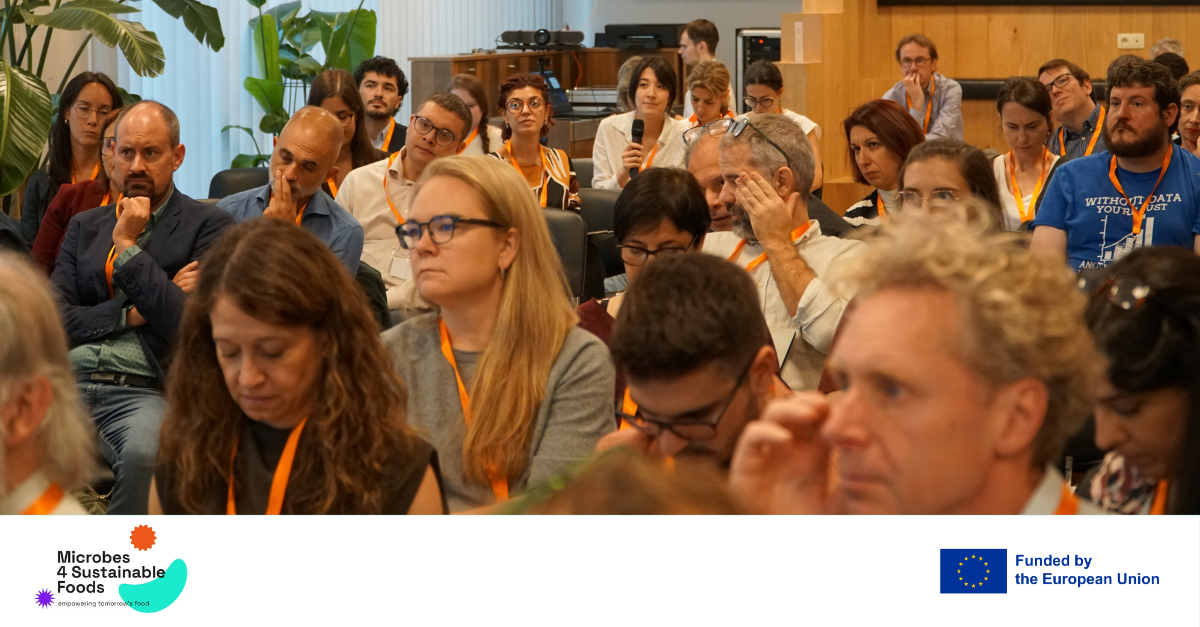
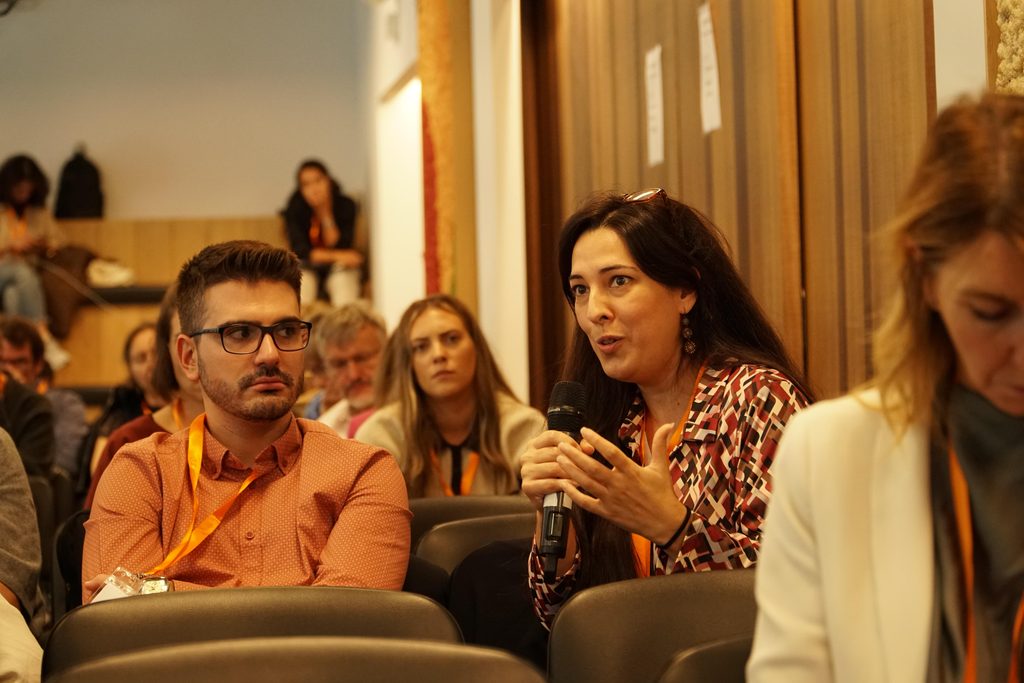
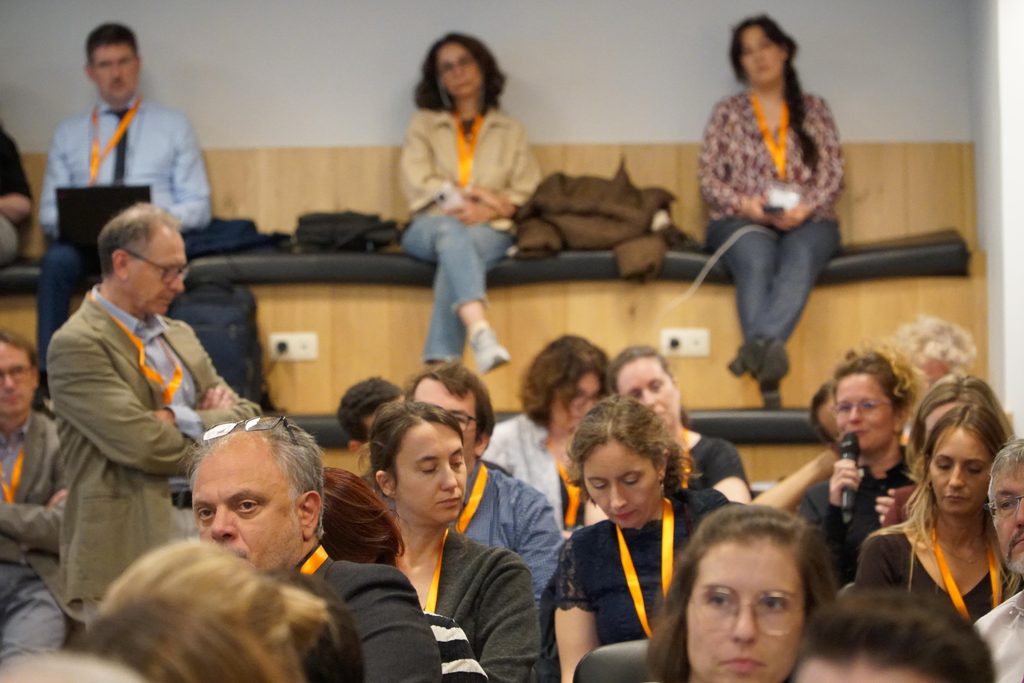
On 1 October, Brussels became a meeting point for researchers, policymakers, farmers, consumer organisations and company representatives to explore a key question: how can microbiome research move beyond the lab and create real-world impact?
The workshop showcased the latest results from the Microbes4SustainableFoods cluster and opened a wider discussion on how scientific knowledge can inform practical solutions and future policy recommendations.
From farm to fork
Microbiomes are part of every stage of the food system, from soil and crops to food production, fermentation and human health. Reflecting this interconnetion, the programme took a whole-system approach, highlighting research across the food chain.
Representatives from the cluster projects presented their latest findings:
- Rosa Pérez-Gregório, WheatBiome
- Angela Sessitsch, Microbiomes4Soy
- Rosa Domenech, TriBioMe
- Christophe Courtin, HealthFerm
- Charilaos Xiros, DELICIOUS
- Chrysoula Tassou, FOODGUARD
- Solveig Langsrud, MICROORC
- Stéphane Chaillou, DOMINO
A key message from the first part of the workshop was that the potential of microbiome science goes far beyond individual products. Advances in the field could contribute to safer, healthier and more sustainable food systems, while supporting the ambitions of Food 2040 through practical tools, innovative solutions and evidence-based policy.
From research to action
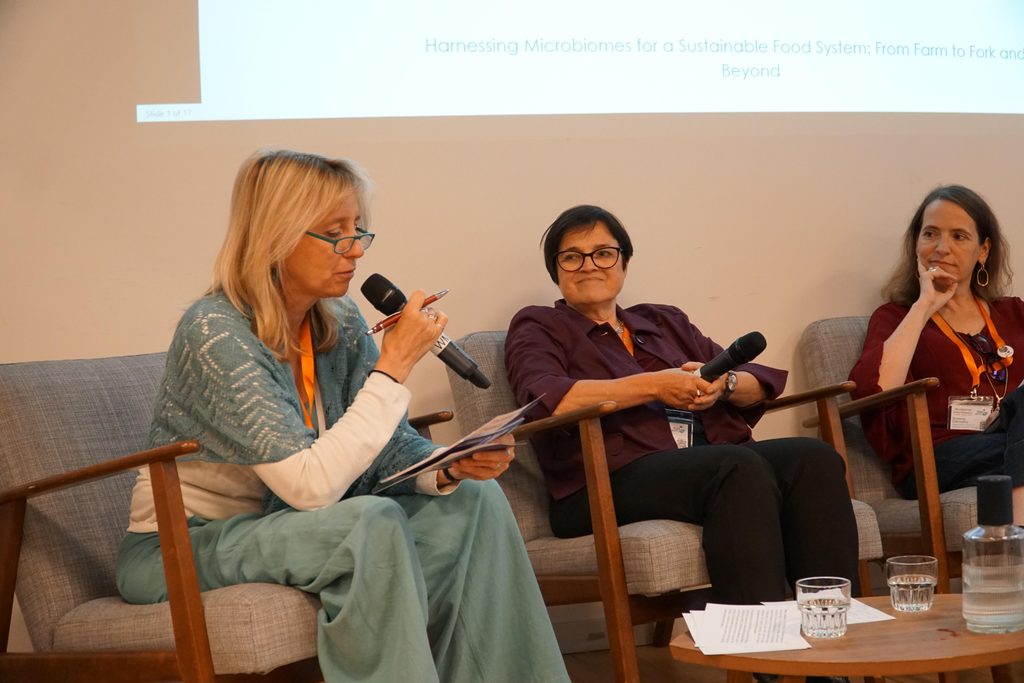
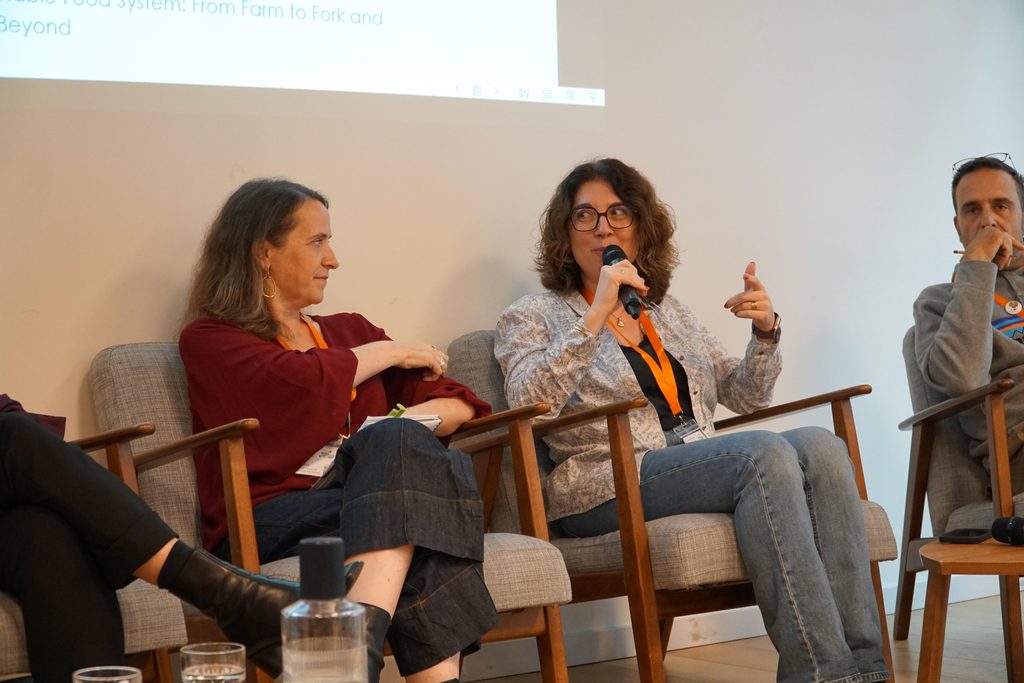
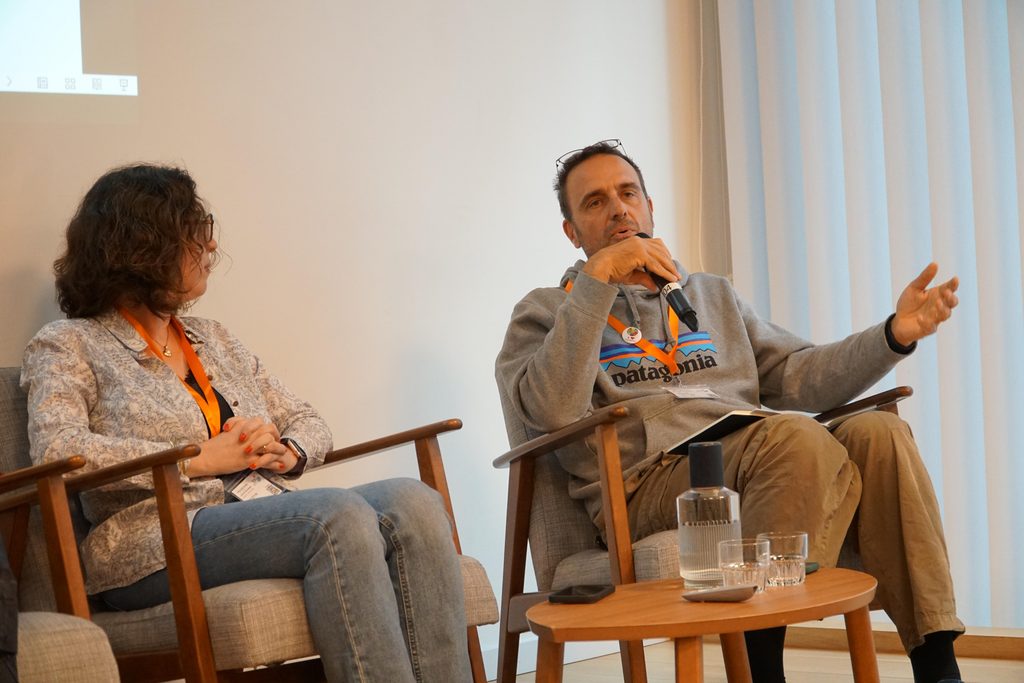
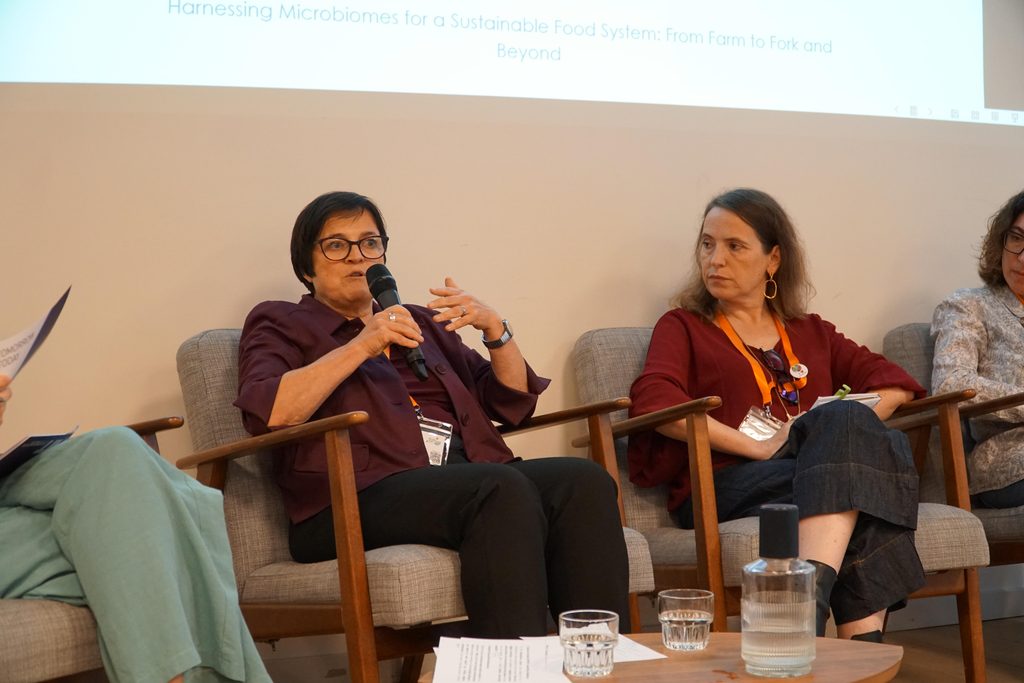
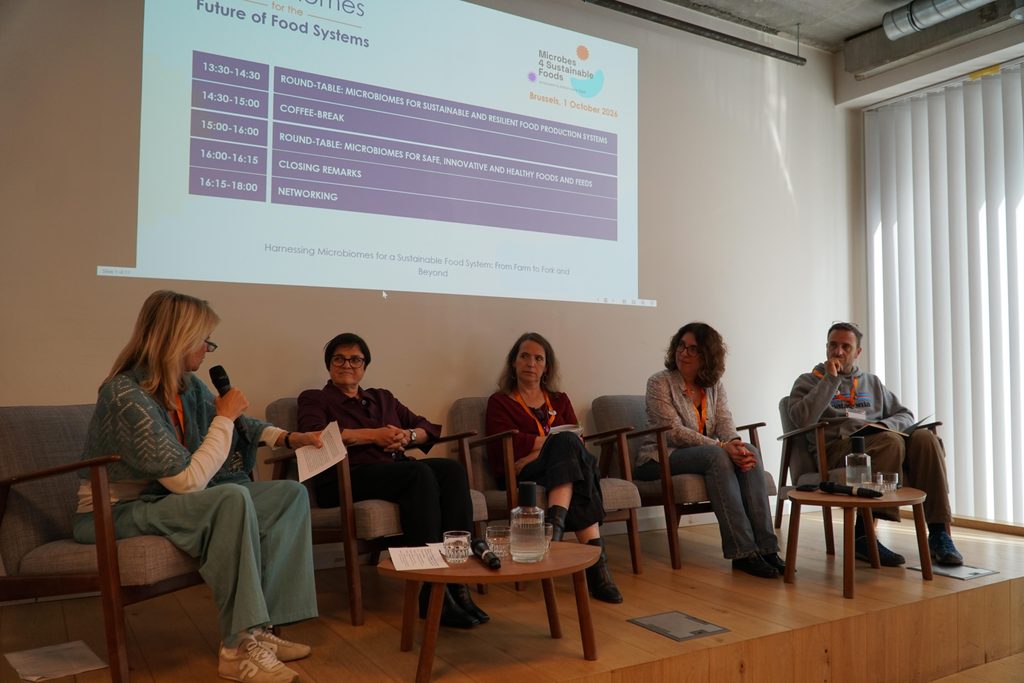
The afternoon shifted the focus from scientific findings to the challenges of putting them into practice. Two round tables explored key opportunities and barriers, with experts from research, industry and policymaking discussing where microbiome-based approaches can have the greatest impact.
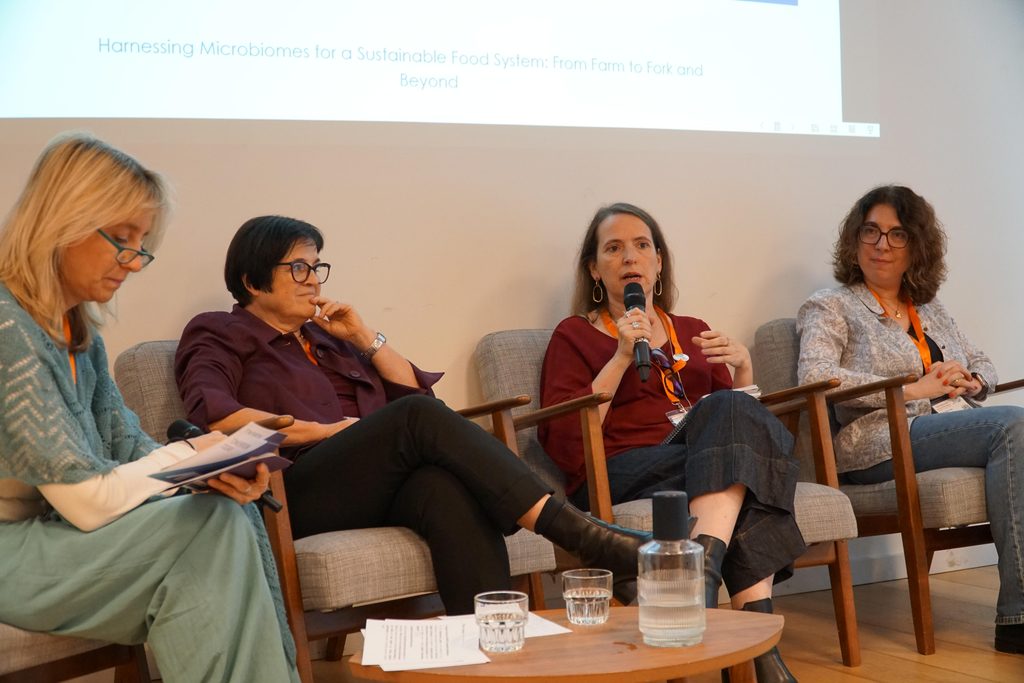
Microbiomes for Sustainable and Resilient Food Production Systems
Moderated by Beatrix Wepner (MICROBIOMES4SOY/AIT), the discussion featured:
- Angela Sessitsch, AIT and Microbiome Support Association
- Marco Candela, University of Bologna (UNIBO)
- Susana Carvalho, GreenUP
- Sandrine Claus, Starfish
Microbiomes for Safe, Innovative and Healthy Foods/Feeds
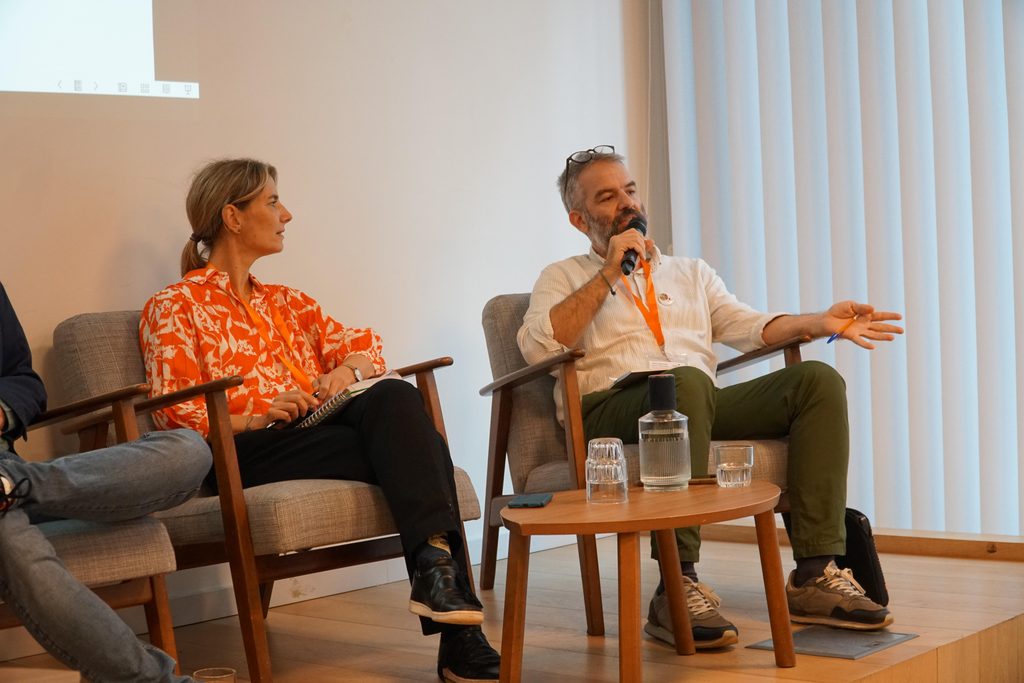
Moderated by Stéphane Chaillou (DOMINO/INRAE), the panel included:
- Vasilis Valdramidis, National and Kapodistrian University of Athens
- Véronique Zuliani, Novonesis
- Christophe Courtin, KU Leuven
- Gustav Waschatko, New Originals
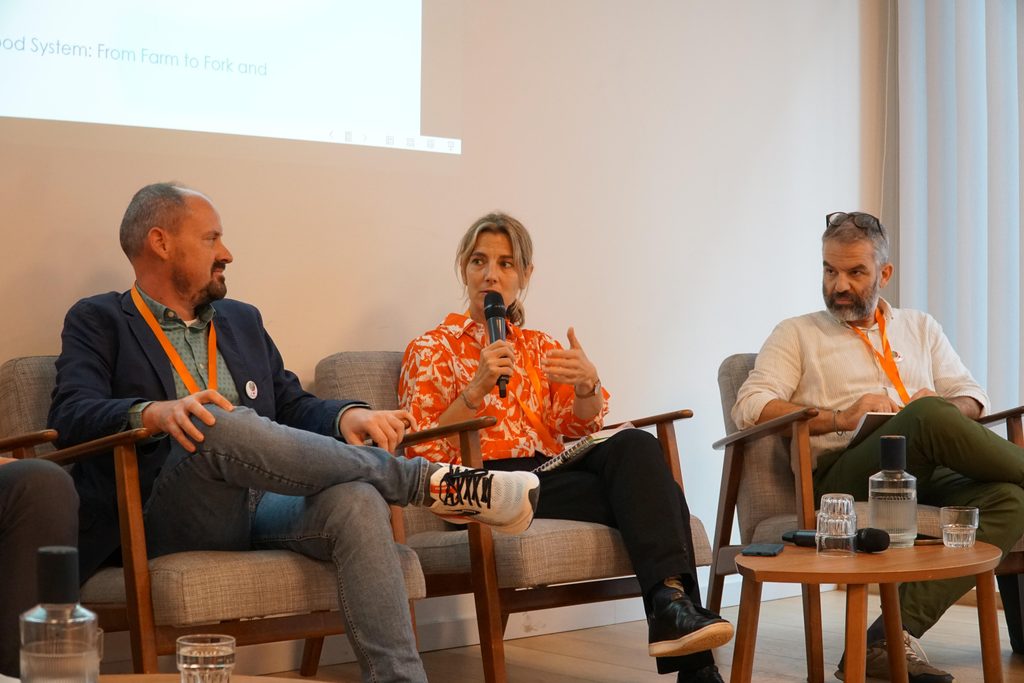
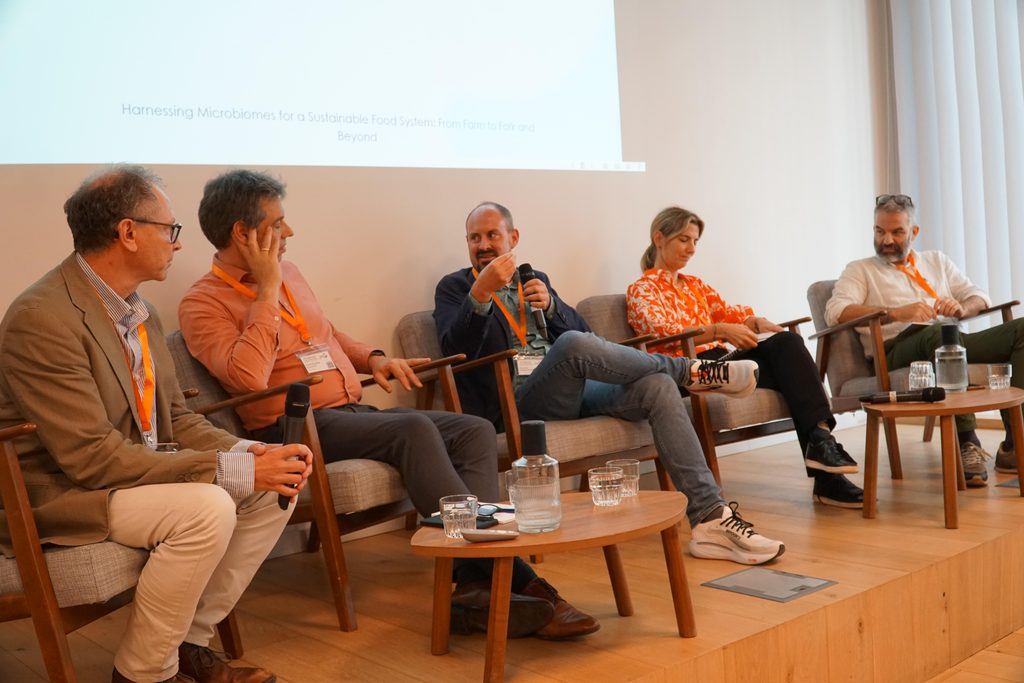
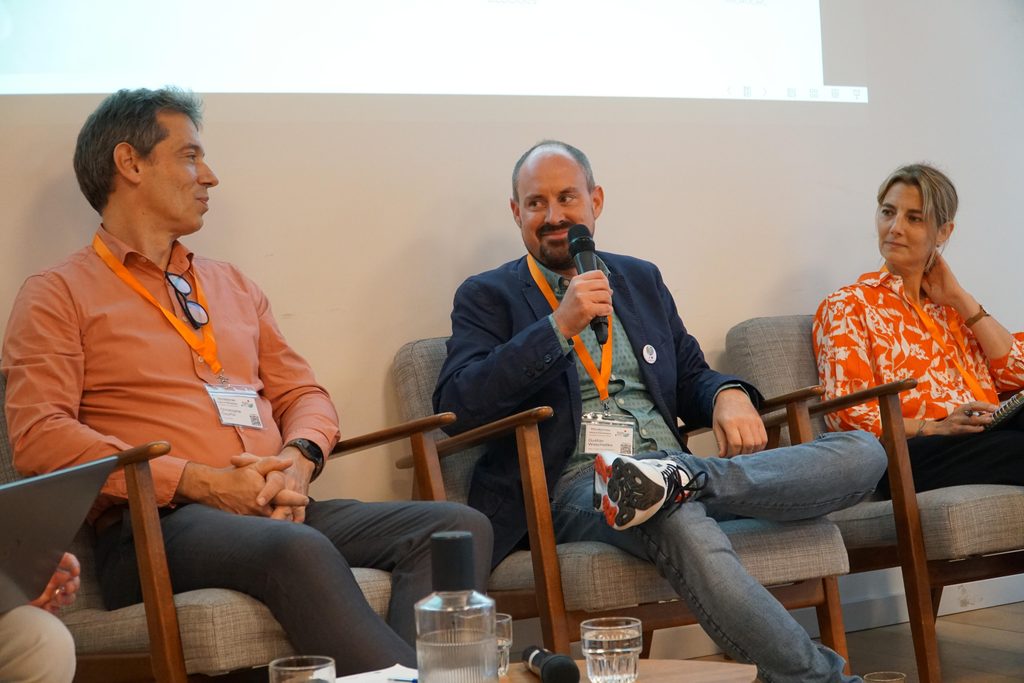
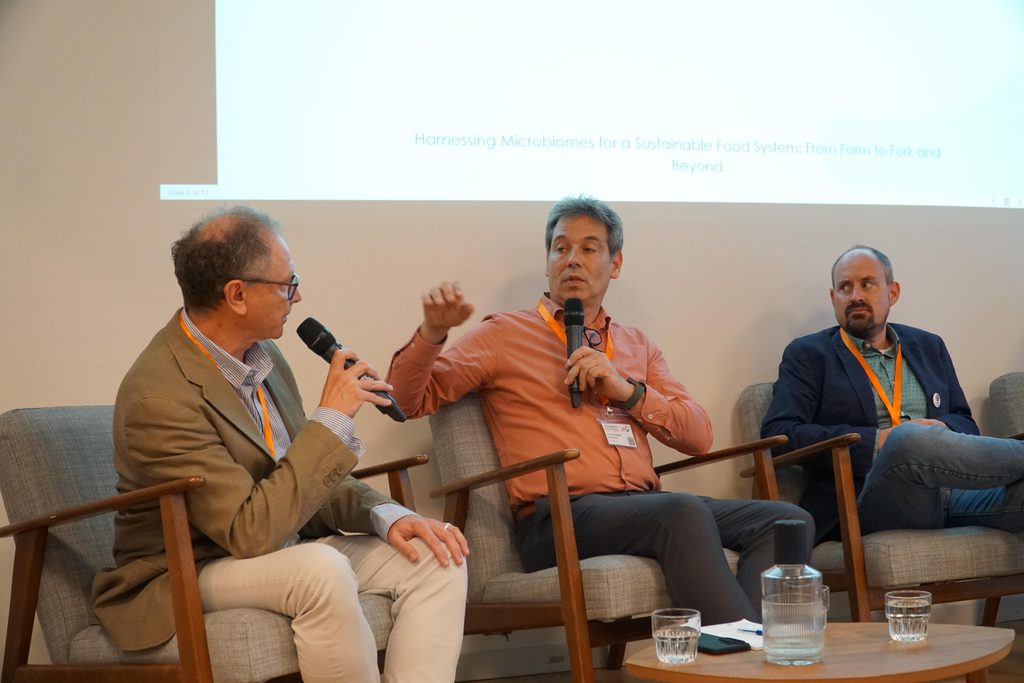
The discussions highlighted the importance of collaboration across disciplines and sectors to translate microbiome research into solutions that can benefit food systems and society.
What needs to happen next?
Participants identified several priorities:
From lab to market
- Scaling fermented foods for industrial production
- Building consumer trust in innovative food technologies
Science and innovation
- Developing climate-resilient approaches that protect soil diversity
- Standardising metadata to accelerate innovation
- Understanding why individuals respond differently to gut-health interventions
Society and data
- Tackling misinformation around food and health
- Improving access to food-consumption and consumer-behaviour data while addressing IP, GDPR and other barriers
The workshop highlighted the importance of continuing to connect research with industry, policymakers and society, and of translating scientific advances into solutions that can be applied in practice.
For more information and valuable insights from the workshop, watch the full recording here: Harnessing Microbiomes for a Sustainable Food System