Fermented foods
Discover fermented foods from around the world.
Water kefir
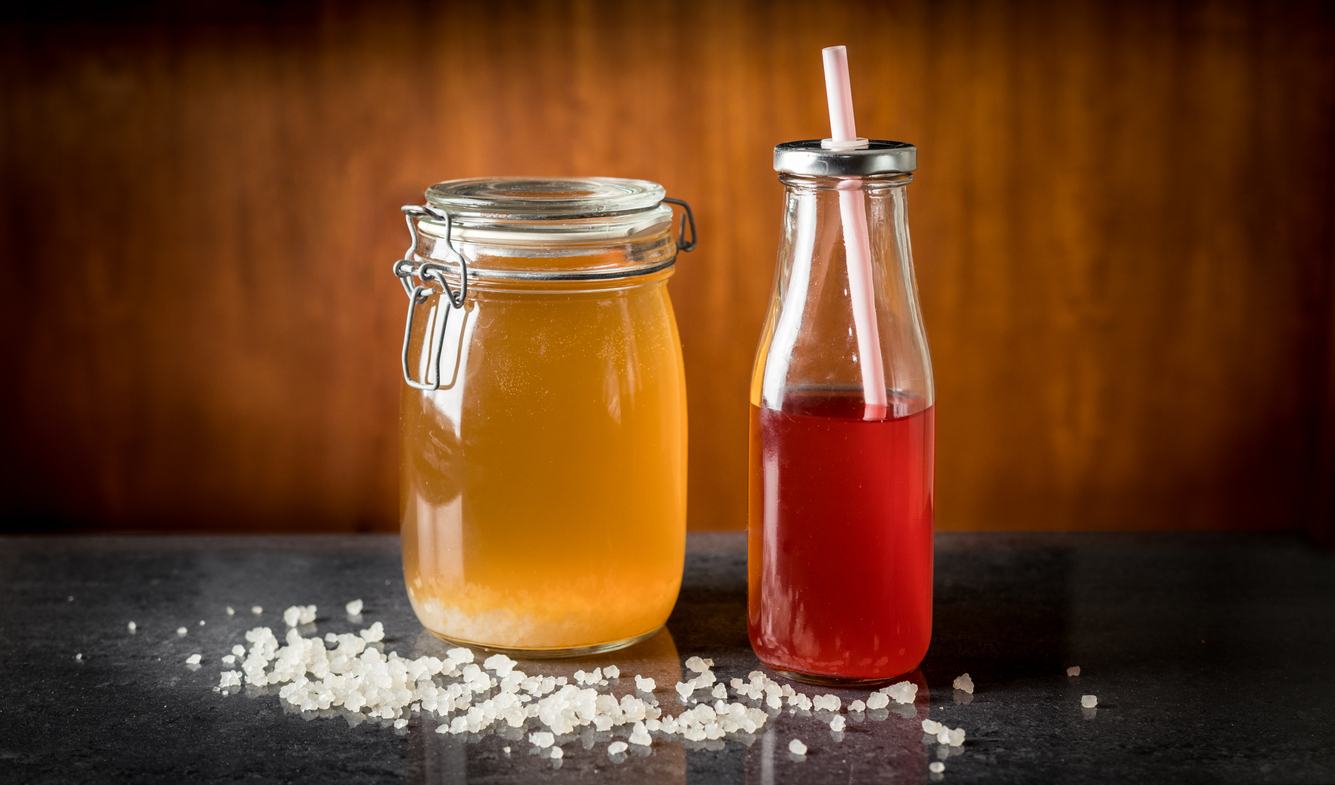
Water kefir is a lightly fizzy, sweet-tart fermented drink made by combining sugar water with water kefir grains – a symbiotic culture of bacteria and yeast. During fermentation, the microorganisms transform the sugars into organic acids and carbon dioxide (i.e., bubbles).
Common recipes
- Basic water kefir
- Fruit-infused second fermentation (e.g., lemon-ginger, raspberry)
Historical background
The origins of water kefir are unclear, as they are less documented than other fermentations, however there are hypotheses of links to regions around Mexico (as tibicos) and parts of Europe.
How to make at home
Tools: Glass jar, strainer, water kefir grains
* You can purchase kefir grains online, or see if someone locally is distributing their grains
Basic steps:
- Dissolve sugar in non-chlorinated water.
- Add water kefir grains.
- Ferment at room temp for 24–48 hours.
- Strain and optionally second-ferment with fruit.
Fermentation tips
- Use non-chlorinated water and avoid metal utensils.
- Second fermentation with fruit adds flavour and carbonation.
Nutritional profiles & potential health benefits
Water kefir can be a great plant-based alternative to dairy-based fermented drinks (like milk kefir). The addition of fruits and/or vegetables to water kefir not only improves its taste, but also provides nitrogen, minerals, and micronutrients that support beneficial microbial growth (Yerovi-López and Gamero, 2026).
Water kefir may provide positive health benefits such as antioxidant, anti-inflammatory, antibacterial and detoxifying effects. Drinking water kefir may improve the gut microbiota, making it more diverse and introducing beneficial bacteria, while reducing pathogenic bacteria. Water kefir grains are made up of a complex mix of microbes, like lactic acid bacteria, yeasts, and acetic acid bacteria, which may have probiotic characteristics like tolerance to gastrointestinal stress, immune system support, and support to the gut barrier (Yerovi-López and Gamero, 2026).